Find Exceptional Butcher Services at Meat Store: Freshly Cut, Community-Based, and Mouth-Watering!
In the modern food industry, the critical nature of high-quality, fresh meat cannot be underestimated. Local meat purveyors provide a remarkable advantage, granting access to premium cuts obtained from neighboring farms. This not only secures freshness but also promotes community sustainability. Learning how to explore these offerings can enhance meal preparation. Examining the details of developing a relationship with your butcher may disclose unanticipated benefits, encouraging a more profound appreciation for the art of meat selection.
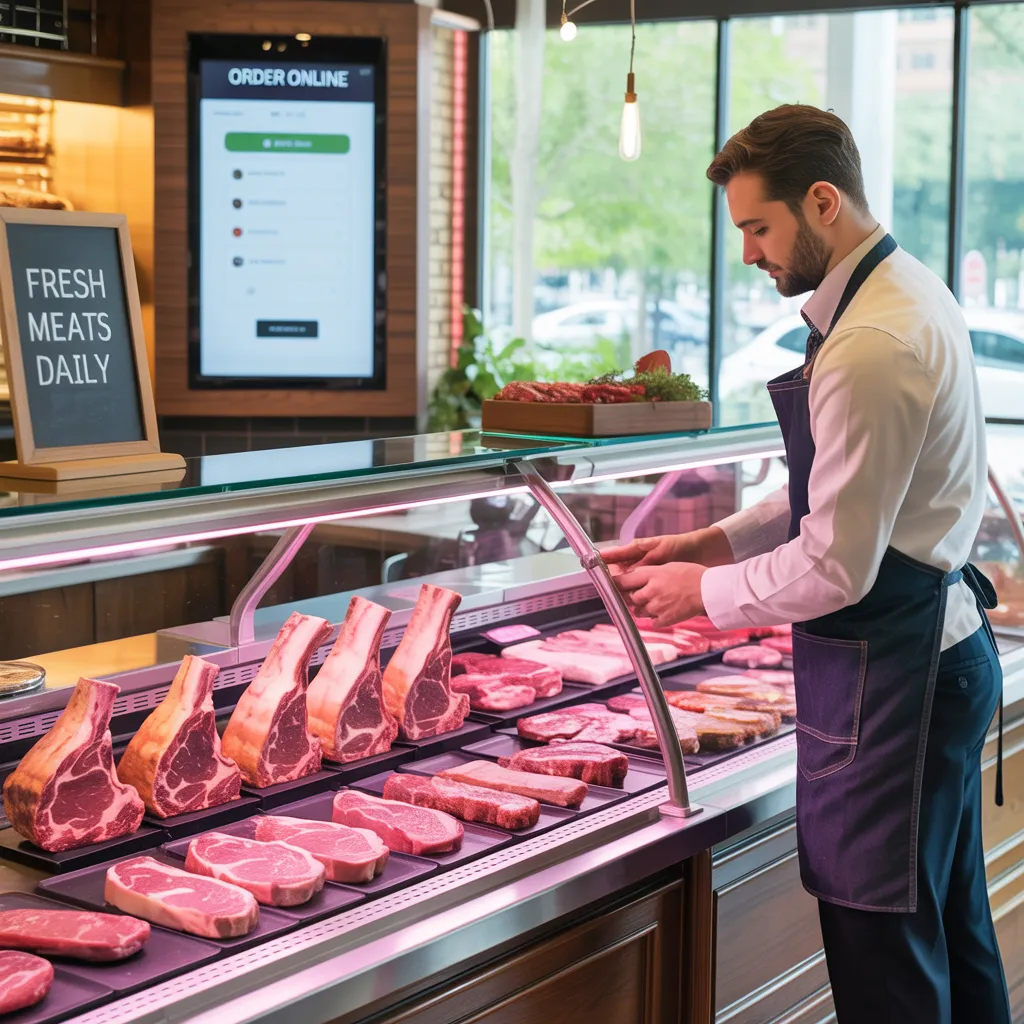
Benefits of Fresh, Top-Quality Meat From Neighborhood Butchers
When shoppers opt for fresh, high-quality meat from local butchers, they commonly encounter various advantages that go past mere flavor. One key benefit is the outstanding freshness of the products, which generally leads to enhanced taste and texture. Local butchers typically focus on sourcing meat from nearby farms, making sure that the animals are raised with careful attention. This proximity also bolsters local economies and promotes a sense of community. Moreover, consumers can often access a more diverse array of cuts and specialty items that are not widely accessible at larger grocery stores. The personalized service given by local butchers allows for tailored recommendations, making certain that customers receive the top choices for their specific culinary needs. Overall, the experience is enriching and rewarding for discerning consumers.
Why Choosing Local Butcher Services Matters
Opting for local butcher services plays a crucial role in supporting the local economy, as these businesses often source their products from nearby farms. Furthermore, customers benefit from fresher and higher quality meat, which is typically a hallmark of local suppliers. By opting for local butchers, consumers not only enjoy superior products but also support their community's vitality.
Back Local Economy
Choosing local butcher services not only enhances the community's economy but also nurtures a sense of connection among residents. By opting for local butchers, consumers aid in job creation and sustain small businesses, which are often the cornerstone of the local economy. These establishments typically procure their products from nearby farms, maintaining money within the community and promoting sustainable practices. Moreover, local butchers often engage in community events and initiatives, strengthening ties among residents. This support helps copyright the unique character of the community, as opposed to larger chains that favor profit over local interests. In the end, choosing local butcher services is an investment in the community's future, ensuring economic vitality and nurturing a sense of pride among residents.
Higher Quality, Fresher Meat
Superior quality remains crucial in the culinary world, and neighborhood butcher shops excel in supplying fresher, premium meat compared to larger chain markets. Procured from nearby farms, community butchers maintain a focus on sustainable practices, ensuring that the meat is not only fresher but also more flavorful. This proximity permits shorter supply chains, reducing the time between farm and table. Additionally, community butchers often have the expertise to select the premium cuts, catering to customers' specific tastes and culinary needs. By emphasizing freshness and quality, these butchers foster a deeper connection between consumers and their food sources. Opting for local not only enriches the dining experience but also supports the community and promotes environmentally conscious practices in meat sourcing.
Guide to Selecting the Best Meat Cuts for Your Dishes
Selecting the right cuts of meat is essential for crafting memorable dishes. Understanding the diverse meat cuts and their corresponding cooking approaches can substantially influence the final outcome of a meal. Furthermore, considering how these cuts pair with other ingredients can elevate flavors and enhance the overall dining experience.
Comprehending Beef Cuts
Mastering the selection of meat cuts is vital for attaining culinary excellence in any dish. Grasping the different cuts of meat allows cooks to select the right type for their specific recipes. Cuts can be classified into two main categories: primal and subprimal. Primal cuts, such as rib, loin, and chuck, form the basis of all other cuts. Subprimal cuts, including steaks and roasts, deliver more specific options for preparation. Each cut differs in flavor, tenderness, and cooking method, affecting the final outcome of a dish. For example, tougher cuts may profit from slow cooking, while tender cuts are often best when grilled or pan-seared. Understanding of these differences equips chefs to improve their culinary creations effectively.
Cooking Methods Matter
Creating an excellent dish centers on the harmony between cooking methods and the selection of meat cuts. Each cut of meat contains unique characteristics that influence their ideal preparation techniques. For example, tougher cuts, such as chuck or brisket, are enhanced by slow cooking methods like braising or stewing, which decompose connective tissues and elevate flavor. In contrast, tender cuts like filet mignon or ribeye shine when grilled or pan-seared, allowing their natural juiciness to shine through. Understanding the proper cooking method for each cut is vital for achieving optimal results. Finally, the right combination of meat and cooking technique confirms that each dish showcases the meat's full potential, delivering satisfying and delicious flavors to the plate.
Combining With Ingredients
Picking the suitable cut of meat can significantly enhance the total flavor and texture of a dish. When considering the best cuts, it is vital to match the meat with complementary ingredients. For example, fatty cuts like ribeye go well with robust flavors such as red wine or rich sauces, while leaner cuts like chicken breast can be complemented with fresh herbs and citrus. Additionally, knowing the cooking method is essential; tougher cuts profit from slow cooking and marinating, whereas tender cuts are best suited for quick grilling or sautéing. Ultimately, the key to a successful dish lies in the harmony between the meat and other ingredients, creating a well-rounded and fulfilling meal.
Developing a Strong Bond With Your Local Butcher
Building a strong relationship with a local butcher can significantly enhance the overall shopping experience for meat enthusiasts. Regular visits can cultivate familiarity, allowing customers to receive personalized recommendations adapted to their preferences. Conveying specific needs or preferences helps the butcher understand individual tastes, resulting in better service and product selection. Engaging in conversations about sourcing methods or preparation techniques can deepen this connection, improving the customer's culinary knowledge. In addition, supporting local butchers by purchasing seasonal or specialty items shows loyalty and appreciation. Building rapport through friendly interactions prompts butchers to prioritize their regular customers, often offering exclusive access to unique cuts or promotions. In the end, a strong relationship with a local butcher elevates both the shopping experience and culinary adventures.
Check Out These Delicious Specialty Products
What remarkable tastes await discovery at the local meat market's specialty section? Shoppers can browse an appealing variety of products that uplift their gastronomic journeys. From expertly crafted sausages infused with spices to marinated meats that promise robust taste, the selection caters to diverse palates. Artisan jerky, featuring unique flavor combinations like teriyaki or spicy chipotle, serves as a perfect find out about this snack for on-the-go individuals. In addition, artisan sauces and rubs are accessible, crafted to boost grilling or roasting performance. Specialty cuts, such as Wagyu beef or heritage pork, offer premium options for special occasions. These items not only demonstrate the expertise of local meat specialists but also inspire shoppers to explore fresh recipes, turning every dining occasion into a pleasant journey.
Why Sustainable Meat Sourcing Matters
As purchasers become progressively mindful of the environmental and ethical implications of meat production, the critical nature of sustainable meat sourcing has gained significant attention. Sustainable meat sourcing emphasizes practices that minimize environmental impact, promote animal welfare, and support local economies. By selecting sustainably sourced meat, consumers can reduce greenhouse gas emissions associated with industrial farming, while also encouraging humane treatment of animals. Additionally, local sourcing fosters community relationships and supports farmers who prioritize ecological responsibility. This approach helps confirm that meat production is not only viable in the present but also sustainable for future generations. In the end, sustainable meat sourcing aligns consumer choices with ethical values, fostering a more responsible and conscientious food system.
Maximizing Flavor Through Proper Meat Storage and Preparation
What methods exist to enhance the flavor of meat during storage and preparation? Proper storage techniques substantially affect meat's taste. Vacuum-sealing helps preserve freshness and eliminate freezer burn, while refrigeration at the optimal temperature maintains flavor integrity. Infusing meat with herbs, spices, and acidic components enhances flavor profiles; longer marination times can produce deeper infusions. When preparing, seasoning with salt before cooking is crucial, as it facilitates flavor absorption. Cooking methods also matter; grilling or slow cooking can bring out rich, savory notes. Finally, enabling the meat to rest post-cooking helps juices to redistribute, elevating overall flavor. By employing these methods, one can optimize the flavor potential of various meats, ensuring a delicious culinary experience.
Frequently Asked Questions
What Are the Store Hours for the Meat Store?
The butcher shop is open from Monday to Saturday, with doors opening at 8 AM and ending service at 6 PM. On Sundays, it welcomes customers from 9 AM to 4 PM, allowing adequate time for shopping.
Are Delivery Options for Meat Purchases?
Delivery services for meat orders are available at the meat store. Customers have the convenience of ordering online or by telephone, ensuring that high-quality, fresh products are brought to their doorstep in a specified delivery window.
Can Specific Cuts of Meat Be Special Ordered?
Absolutely, special orders for specific cuts of meat are available. Patrons may ask for specific cuts, and personnel will work to meet those requirements, providing satisfaction via personalized choices designed for specific needs.
Is There a Loyalty Rewards Programs for Frequent Customers?
The meat store features a loyalty program for regular customers, providing rewards and discounts depending on purchase frequency. This initiative promotes repeat business while ensuring customers receive high-quality products at competitive prices.
Which Payment Methods Are Accepted at the Store?
The shop accepts several payment alternatives, such as cash, major credit cards, and mobile payment options. Customers value the flexibility in payment, ensuring a smooth and convenient shopping experience on their visits to the establishment.